1854 · Paris, France
Louis Vuitton
The Trunk-Maker's Architecture
A house built on the architecture of travel. From the stackable trunk of 1854 to the turning LV clasp of today, Louis Vuitton engineers leather the way others engineer movement.
The Heritage
In 1854, Louis Vuitton opened his Parisian workshop and introduced a flat-topped trunk that could be stacked — a revolution against the domed trunks of the era. It was the first act of a house that would build its name on the architecture of travel.
After Louis's death, his son Georges devised the canvas monogram in 1896 — at once a signature and a defense against counterfeiters. The motif became one of the most recognized symbols in the world, repeated across steamer trunks, hat boxes, and the bags that followed.
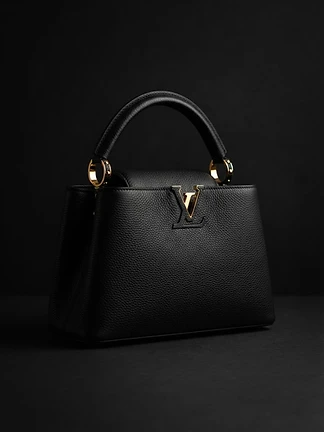
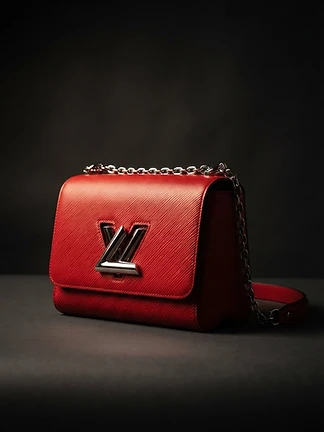
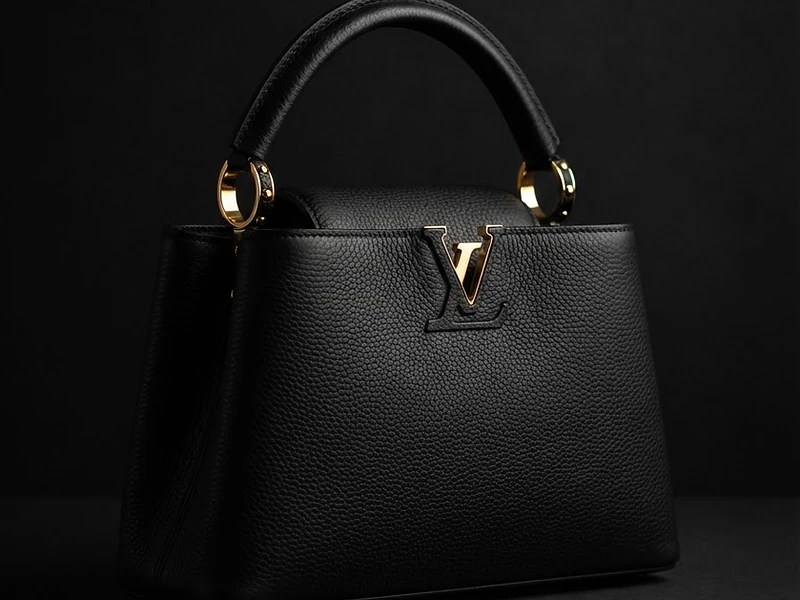
Today the Capucines — named for the Rue des Capucines where the house first opened — and the Twist, with its turning LV clasp, carry the trunk-maker's discipline into supple Taurillon and Epi leather. Each piece is cut, edged, and assembled in the house's French ateliers.
1854
Founded
1896
Monogram Born
100+
Atelier Trades
VI
Continents Shipped
Signature references — Capucines · Twist · Speedy
Current Inventory
Held in the Vault
2 Objects